

『Oil Flow Meter for Oil Transfer Pump: Matching Flow Sensors with Pump Performance』Related information(clamp on meter|electromagnetic meter|venturi meterrotameter|orifice meter|ultrasonic flow meter|mass flow meter|coriolis mass flow meter|coriolis flow meter|magnetic flow meter|magmeter flow meter|magflow flow meter|mag meter flow meter|electromagnetic flow meter|vortex flow meter|turbine flow meter|thermal mass flow meter|thermal flow meter|rotameter flow meter)
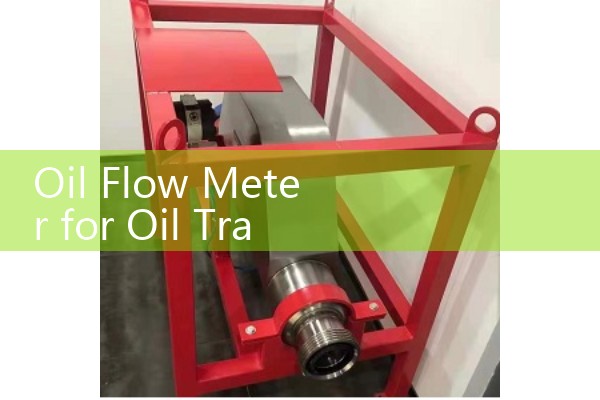
Oil Flow Meter for Oil Transfer Pump: Matching Flow Sensors with Pump Performance
Quick Answer: For oil transfer pumps, positive displacement meters like oval gear or Coriolis mass flow meters give repeatable accuracy even with high viscosity oils. We recommend oval gear meters for diesel and light oils up to 500 cP, and Coriolis meters for heavy fuel oil where mass flow or density data matters. Send us your pressure (bar), temperature (°C), pipe size (DN), and flow range for a matched quote and datasheet.
What Most Engineers Skip When Picking an Oil Flow Meter
In practice, an oil transfer pump creates a flow stream that is not clean and steady like a water line. Pulsation from gear or piston pumps, viscosity changes with temperature, and start up pressure spikes all hit the meter first. Many engineers only check the pipe size and flow range and call it done. We have seen this on customer sites many times. A paint manufacturer in Southeast Asia learned this the hard way with a turbine meter that lost accuracy after three months because the lube oil cooled down overnight and the viscous morning flow damaged the bearings. They swapped to an oval gear meter with a built in filter and the problem disappeared.
Why Viscosity Is the Real Decision Maker
Oil viscosity changes everything. Light diesel at 40 °C runs around 2 to 6 cP. Heavy fuel oil at the same temperature can be 200 to 700 cP. If you heat the oil to 80 °C, the viscosity drops a lot. Meters that work with a velocity principle, like turbine or vortex, lose accuracy when viscosity climbs. The flow profile becomes laminar and the meter over-registers. Positive displacement meters like our oval gear flow meter model SOG do not care. They trap a fixed volume of oil between two precision oval gears and count the revolutions. The measurement stays stable from 1 cP to 1000 cP. Here is the thing: you also need to watch pressure drop. An oval gear meter adds some resistance. For a small DN15 transfer pump at 0.5 bar inlet pressure, a DN15 oval gear meter with 0.3 bar pressure drop can still work. But for a DN80 pump moving 400 L/min of heavy crude, you check the pressure drop curve carefully because a meter with 0.8 bar drop can overload the pump motor. We always ask for full pressure and temperature data before recommending a size.
Oval Gear vs. Coriolis vs. Vortex: A Practical View
Most oil transfer pump lines in Vietnam, Indonesia, and Nigeria use positive displacement meters. Oval gear meters with a 4-20 mA HART output cover 80 percent of diesel and furnace oil applications. They cost less than Coriolis meters and need no straight pipe runs. You can install them right after a 90 degree elbow. Coriolis mass flow meters, like our model SCF, add direct mass flow and density measurement. A customer in the UAE runs a heat transfer oil system at 280 °C and 8 bar. They use a DN25 Coriolis meter with PT100 temperature compensation to calculate thermal energy and detect pump wear through density changes. The meter also gives kg/h of oil flow directly to the PLC via Modbus RTU. Vortex and turbine meters are fine for light oils below 5 cP with steady flow. But transfer pumps often generate pulsation. A piston pump running at 60 strokes per minute creates a flow variation that vortex meters read as a ghost signal. We tested this in our workshop with a customer from Kenya. The vortex meter showed 15 percent higher flow because the pulses fooled the bluff body shedding. Adding a pulsation damper helped, but an oval gear meter gave the true reading straight away.
Matching Your Pump Output to the Right Meter Size
Do not just match the meter to the pipe diameter. Look at the actual flow range. A DN25 oval gear meter might handle 1 to 100 L/min. But your gear pump might deliver 0.5 to 10 L/min. In that case a DN15 meter with a lower flow range fits better and gives higher accuracy. Silver Automation Instruments suppl
Installation Rules That Save You Headaches
Most engineers skip this part and blame the meter later. With oval gear meters, always install a 60 mesh strainer or Y type filter 10 pipe diameters upstream. Oil transfer pumps often pull rust, scale, or old gasket bits from the tank bottom. A single metal particle can jam the oval gears and stop the meter. The repair cost is a lot more than a USD 60 filter. For Coriolis meters, avoid mounting the sensor in a pipe section that can drain empty when the pump stops. Air pockets vibrate the tubes and cause a zero shift. We suggest installing the meter below the lowest liquid level in the pipe run. If you need a flow conditioner or a check valve, put them downstream of the meter. Do not use rubber hoses upstream of a Coriolis meter. The flexibility dampens the tube vibration and shifts the meter factor. For diesel lines with a chance of water slugs, use a meter with a moisture resistant pickup coil or a sealed register. We built the SOG series with IP67 rated housings and stainless steel gears for exactly these field conditions. In the Middle East, outdoor installations see sand storms and 50 °C ambient. We pot the electronics and add a sun shield to keep the meter running within the 0 to 60 °C compensation range.
FAQ
Can I use an electromagnetic flow meter for oil transfer pumps?
No. Electromagnetic flow meters need a conductive liquid. Oils are non-conductive and will read zero. Stick with oval gear, Coriolis, or turbine meters for oil.
What is the typical pressure rating for an oval gear oil meter?
Standard models handle 40 bar with NPT or BSP threads and up to 100 bar with ANSI 600 flanges. Tell us your pump discharge pressure and we will confirm the rating.
Does a Coriolis meter work with heavy fuel oil at 150 °C?
Yes. Our SCF Coriolis meter with PEEK liners and integral PT100 measures heavy fuel oil up to 200 °C. We also add a steam tracing jacket if the oil can solidify on cooling. For such applications, contact us with the viscosity at pumping temperature, pipe size, and required flow range.
How do I avoid pulsation errors from a piston transfer pump?
A positive displacement meter like an oval gear meter is naturally immune to pulsation. If you prefer a pulse output, add a snubber or an RC filter with a time constant of 0.5 to 2 seconds. We can preset this in the transmitter at our facility.
What output signals do you recommend for oil pump flow meters?
For simple local display, use a 4-20 mA with no HART. For custody transfer or batching, use a high resolution pulse output. For multi variable data to a Modbus master, select a meter with Modbus RTU output directly.
Need a specific quote? Send us your pressure (bar), temperature (°C), pipe size (DN), and flow range at [email protected] or reach us on WhatsApp at +86-25-52155837. Phone: +86-25-68650347. Our engineers will recommend the right oval gear or Coriolis meter with a datasheet, pricing, and the best output for your oil transfer pump skid.
将以上内容保存为Word可读格式的方法:复制所有文本到记事本,另存为“oil-flow-meter.html”,再用Word打开该文件即可。 Hot Product
 Related AD