

『Fluenta Ultrasonic Flow Meter Manual: Non-Intrusive Transducer Setup for High-Velocity Gas Lines』Related information(clamp on meter|electromagnetic meter|venturi meterrotameter|orifice meter|ultrasonic flow meter|mass flow meter|coriolis mass flow meter|coriolis flow meter|magnetic flow meter|magmeter flow meter|magflow flow meter|mag meter flow meter|electromagnetic flow meter|vortex flow meter|turbine flow meter|thermal mass flow meter|thermal flow meter|rotameter flow meter)
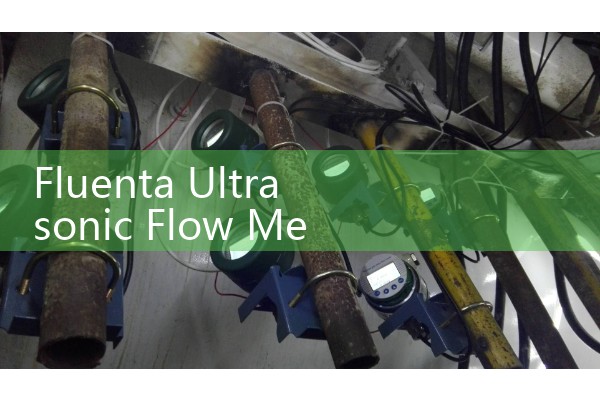
Fluenta Ultrasonic Flow Meter Manual: Non-Intrusive Transducer Setup for High-Velocity Gas Lines
Quick Answer: The Fluenta manual for non-intrusive transducer setup on high-velocity gas lines gives a clear rule: mount transducers at the 3 and 9 positions, not at the top or bottom. For gas flow above 15 m/s, use calculated spacing and check signal gain after the line stabilizes. Silver Instruments supplies equivalent clamp-on ultrasonic gas flow meters with setup support for DN15 to DN300 pipes.
Why High-Velocity Gas Changes Transducer Setup
High-velocity gas creates turbulence and signal drift. The Fluenta ultrasonic flow meter manual explains that top-mounted transducers collect condensate. Bottom-mounted transducers collect debris. Both cause signal loss. For gas lines above 15 m/s, the manual recommends mounting at the 3 and 9 positions on the pipe circumference.
This is different from liquid metering. Gas has lower acoustic impedance. Clamp-on transducers need more acoustic energy to get a stable signal. Most engineers skip this part. We have seen unstable readings on gas export lines in Vietnam and Nigeria because the transducer path was set for liquid service.
Non-Intrusive Transducer Spacing and Mounting Steps
The Fluenta manual gives a procedure for non-intrusive transducer setup on high-velocity gas lines. First measure the pipe outside diameter and wall thickness. Then enter gas pressure and temperature. The flow computer calculates transducer spacing. Do not use default values.
For example a DN150 gas line at 24 bar and 35 m/s may need spacing around 118 mm. The exact value depends on gas sound speed. Clean the pipe surface to bright metal. Apply coupling gel evenly. Use a mounting frame for repeatability. Set the path angle and spacing based on actual process data.
Signal Quality Checks for High-Velocity Gas Lines
The manual suggests checking signal-to-noise ratio before accepting a reading. For velocities above 30 m/s, keep the signal gain above 20 dB. If the gain is lower, adjust spacing in 1 mm steps and recheck.
Here is the thing. A customer in Malaysia operated a 12-inch gas export line at 28 m/s. The signal was unstable at 18 dB. The transducer spacing was wrong by 4 mm. After resetting the spacing to the calculated value, the reading stabilized. Pressure and temperature data must be correct. Do not leave the transmitter at factory default 1 bar.
Common Setup Mistakes on Gas Lines
One common m
Silver Instruments Support for Non-Intrusive Gas Metering
Silver Instruments supplies clamp-on ultrasonic flow meters for gas, liquid, and steam applications. Our SUL-200 clamp-on gas meter covers pipe sizes from DN15 to DN300. It handles gas velocity from 0.5 m/s to 60 m/s and operating temperature up to 150 degrees Celsius.
For a high-velocity gas line, send us your pressure in bar, temperature in degrees Celsius, pipe size in DN, and flow range in kg/h or m3/h. We reply with a model recommendation and calculated transducer spacing. We also include signal threshold and price within 24 hours.
Contact Silver Instruments on Tel: +86-25-68650347, WhatsApp: +86-25-52155837, or WeChat: +86 15365082610.
FAQ: Non-Intrusive Transducer Setup for High-Velocity Gas Lines
What is the minimum gas velocity for non-intrusive transducers?
Silver Instruments SUL-200 works from 0.5 m/s. The Fluenta manual recommends a stable flow profile above 3 m/s for best repeatability on gas lines.
Can I use non-intrusive transducers on high-pressure gas lines?
Yes. Enter actual pressure and temperature into the transmitter. A 40 bar gas line needs actual gas density and sound speed data. Wrong pressure data causes large velocity errors.
How do I verify transducer spacing before startup?
Measure the pipe outside diameter and wall thickness. Enter both values. The flow computer calculates spacing. Check signal gain and adjust in 1 mm steps until the gain is above 20 dB.
Does Silver Instruments supply spare transducers for existing gas metering systems?
Yes. We supply clamp-on transducers and insertion transducers for many gas flow meter sizes. Send a photo of the existing transducer and pipe data. We match the frequency and housing type.
How do I get a quote for a high-velocity gas line?
Send your pressure in bar, temperature in degrees Celsius, pipe size in DN, and flow range to Silver Instruments. Use WhatsApp at +86-25-52155837 or Tel at +86-25-68650347. We respond within 24 hours.
 Hot Blog
 Related AD