

『Manufacturing of vortex flowmeter』Related information(clamp on meter|electromagnetic meter|venturi meterrotameter|orifice meter|ultrasonic flow meter|mass flow meter|coriolis mass flow meter|coriolis flow meter|magnetic flow meter|magmeter flow meter|magflow flow meter|mag meter flow meter|electromagnetic flow meter|vortex flow meter|turbine flow meter|thermal mass flow meter|thermal flow meter|rotameter flow meter)

1. Differences between clamp type vortex flowmeter and flange type vortex flowmeter - Manufacturers interpretation. There are differences between clamp type vortex flowmeter and flange type vortex flowmeter in terms of sensor connection, installation, structural characteristics, and applicable scenarios. Specifically, for clamp type vortex flowmeter, the flange on the flowmeter needs to be welded to the pipeline first, then placed between the two flanges of the pipeline, and finally fixed with bolts and nuts. Flange type vortex flowmeter: The body comes with a flange, and during installation, the flanges at both ends of the flowmeter can be directly fixed to the flanges on the pipeline with bolts. Installation method for clamp type vortex flowmeter: The installation process is relatively complicated, requiring additional flange welding steps, slightly higher technical requirements for installation personnel, and installation time may be longer. However, due to its structural characteristics, it may have certain advantages in some space limited pipeline installation scenarios, and can adapt to pipeline layout more flexibly. Flange type vortex flowmeter: Installation is relatively simple and fast, only aligning the flange and tightening the bolts, without the need for additional welding operations, greatly reducing installation time and difficulty, and requiring relatively low technical level of installation personnel. Structural characteristics of clamp type vortex flowmeter: The overall structure is relatively compact, and the weight may be relatively light. Due to the particularity of its connection method, special attention needs to be paid to the strength and stability of the clamping part in withstanding pipeline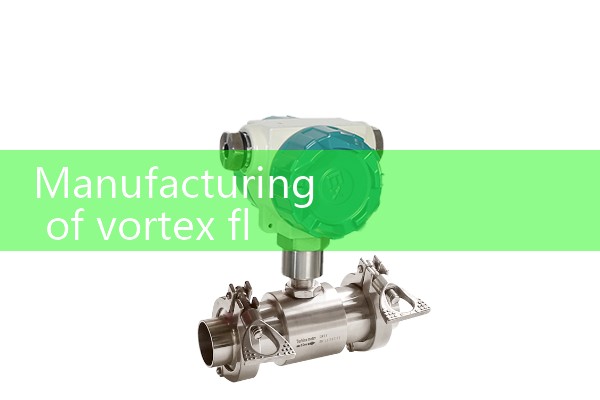
『SILVER Official Website SERVICE』
 Hot Product
 Related AD