

『Gas ultrasonic flowmeter』Related information(clamp on meter|electromagnetic meter|venturi meterrotameter|orifice meter|ultrasonic flow meter|mass flow meter|coriolis mass flow meter|coriolis flow meter|magnetic flow meter|magmeter flow meter|magflow flow meter|mag meter flow meter|electromagnetic flow meter|vortex flow meter|turbine flow meter|thermal mass flow meter|thermal flow meter|rotameter flow meter)
1. What is the working principle of natural gas pipeline ultrasonic flowmeter? The core working principle of natural gas pipeline ultrasonic flowmeter is to calculate the flow velocity and flow rate by measuring the time difference between the forward and backward propagation of ultrasonic waves in the flowing gas. 1. Basic measurement principle: Ultrasonic flow meters use the time difference method for measurement. Insert a pair of ultrasonic transducers (probes) diagonally at a certain angle on both sides of the pipeline, and they alternate as transmitters and receivers. Parallel propagation: When the ultrasonic signal flows in the same direction as the gas, its propagation speed will increase (the component of sound velocity+airflow velocity in the direction of the sound path). Counter current propagation: When the ultrasonic signal flows in the opposite direction to the gas, its propagation speed will slow down (sound velocity - the component of the airflow velocity in the direction of the sound path). The high-precision clock circuit will measure the forward time (t ₁) and backward time (t ₂) separately, and calculate the time difference Δ t=t ₂ - t ₁. The average flow velocity (V) of the fluid is directly proportional to the time difference Δ t, and combined with parameters such as the cross-sectional area of the pipeline, the working condition volume flow rate and the standard volume flow rate after temperature and pressure compensation can be calculated based on noise and slip. Piezoelectric ceramic materials are usually used, and their performance directly determines measurement accuracy and stability. High precision timing circuit: used to measure nanosecond time differences and is the key to ensuring measu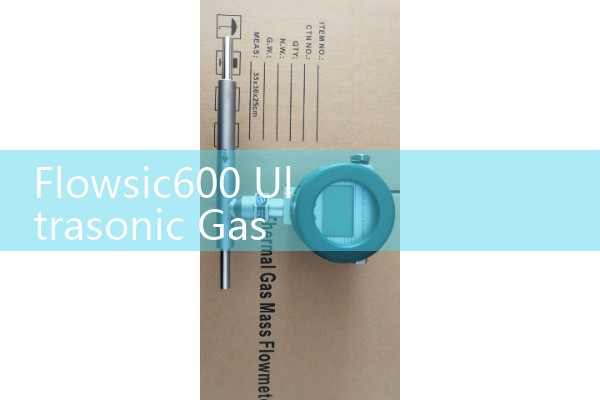
4. Key application parameters and selection. In practical selection and application, the following parameters should be focused on to ensure accurate measurement: Diameter (DN): selected according to pipeline size and flow range, commonly ranging from DN50 to DN1200 or even larger. Pressure rating (PN): Must match the pipeline design pressure, such as PN16, PN25, PN40, etc. Gas components: Different natural gas components have different sound velocity characteristics, which need to be set in the instrument. Installation conditions: It is necessary to meet the requirements of the front and rear straight pipe sections (usually 10D in the front and 5D in the back, where D is the pipe diameter), otherwise it will seriously affect the accuracy.
2. Can ultrasonic flow meters measure compressed air?
Ultrason
 Hot News
 Related AD