

『Kracht Flow Meter Working Principle: High-Torque Positive Displacement Spur Gears for Lubrication Oils』Related information(clamp on meter|electromagnetic meter|venturi meterrotameter|orifice meter|ultrasonic flow meter|mass flow meter|coriolis mass flow meter|coriolis flow meter|magnetic flow meter|magmeter flow meter|magflow flow meter|mag meter flow meter|electromagnetic flow meter|vortex flow meter|turbine flow meter|thermal mass flow meter|thermal flow meter|rotameter flow meter)
Kracht Flow Meter Working Principle: High-Torque Positive Displacement Spur Gears for Lubrication Oils
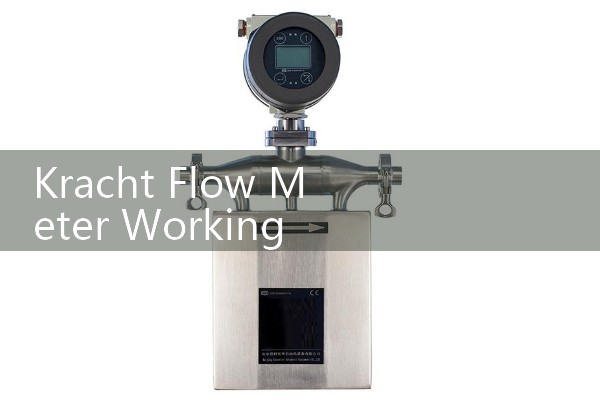
Quick Answer: A Kracht flow meter uses two high-torque spur gears as a positive displacement element. Each gear revolution moves a fixed volume of lubrication oil from inlet to outlet. The meter output is a pulse or analog signal proportional to actual oil flow.
How Positive Displacement Spur Gears Measure Lube Oil Flow
In practice, a Kracht gear flow meter has two matched spur gears inside a tight housing. Oil enters the inlet port. The pressure difference forces the gears to rotate. Each tooth gap carries a small fixed volume of oil to the outlet side. The meter counts the gear rotations with a sensor. One gear revolution equals a known volume. So flow rate is direct and repeatable.
High torque matters here. Lubrication oil can be thick. Cold oil at 200 cP or 500 cP resists movement. The gear tooth profile and bearing design produce enough torque to keep rotation smooth. This is not a turbine meter. There is no spin-down or slippage issue when viscosity changes.
Why Lube Oil Systems Use Kracht Style Spur Gear Meters
Many engineers prefer positive displacement meters for lubrication oil because the measuring chamber is fixed. A turbine meter loses accuracy at low flow. An orifice plate adds pressure drop. A spur gear meter measures small doses. For example, a gear pump skid feeds 0.5 to 15 L/min to compressor bearings.
Last year a customer in Vietnam asked us for a meter that would not stall at 8 cP oil and 10 bar pressure. The gear meter gave a clean pulse train to a PLC. The PLC converted frequency to litres per hour. For mass balance the same PLC can display kg per hour using oil density.
Kracht High Torque Meter Output and Signal Types
Kracht flow meters often ship with a pickup coil or a Hall sensor. The output is a frequency signal. You can add a transmitter to get 4-20 mA HART. Some high-end units carry ATEX Zone 1 certification for gas or oil vapor areas. Silver Instruments supplies similar signal options for lube oil meters.
A common setup is a DN15 gear meter with a 24 V DC supply. The meter sends a square wave pulse to a panel display. The panel totalizes oil consumption per shift. This simple system works well for hydraulic power packs in the Middle East and Southeast Asia.
Matching the Right Meter to Your Lubrication Oil
Most engineers skip this part and order by pipe size only. That causes problems. A DN15 meter may be correct for flow but wrong for viscosity. You need four values on the quote request: oil type, pressure in bar, temperature in degrees C, pipe size DN, and flow range. Because a gear meter sized for 100 L/h may not handle 1000 L/h at the same viscosity.
Here is the thing. For lubrication oils from ISO VG 32 to ISO VG 320, the meter should have a high-torque gear design and a low pressure drop. Typical values in ou
Silver Instruments Alternative for Kracht Meters
Silver Automation Instruments supplies positive displacement gear flow meters and oval gear flow meters for lubrication oil, hydraulic oil, and diesel service. The working principle is the same high-torque positive displacement concept. Hardened spur gears rotate inside a measuring chamber. The volume per pulse stays fixed.
A customer in Malaysia replaced a worn Kracht meter on a paper machine lubrication skid. The original meter body was still okay but the bearings were gone. Our gear meter matched the DN15 connection and the pulse output. The control system required no rewiring. The price was lower than a full OEM replacement.
Installation Notes for Gear Flow Meters on Lubrication Oil
Mount the meter with the rotor axis horizontal when possible. Use a 60 micron strainer upstream. Air in the oil line will cause a gear meter to overread for a short time. That is not a meter fault. The meter measures all passing volume including gas bubbles. A back pressure valve after the meter keeps the oil line full. The meter must stay full of oil to keep accuracy.
Do not use a positive displacement gear meter without an overpressure protection path. A blocked outlet can damage the gears. A relief valve at the pump protects the meter and the pipework.
FAQ
Q: Is a Kracht flow meter a positive displacement meter? A: Yes. The high-torque spur gears form fixed measurement chambers. Each revolution moves a defined oil volume.
Q: Can a gear flow meter measure cold lubrication oil? A: Yes if the meter has the correct bearing and gear material. High torque gear meters rotate at 200 cP or higher viscosity. Specify the cold start viscosity when you request a quote.
Q: What output signal is best for a lube oil skid? A: A pulse output works for PLC totalizing. A 4-20 mA HART output works for remote flow rate display and asset management.
Q: What pipe size do I need for a lubrication oil flow meter? A: DN10 to DN50 covers most lube oil systems. Size the meter by flow range and viscosity. Do not size only by pipe diameter.
Q: Does Silver Instruments supply a Kracht replacement meter? A: Yes. Silver Instruments supplies positive displacement gear meters that fit many Kracht applications. Send your oil type, pressure in bar, temperature in degrees C, pipe size DN, and flow range.
For a fast quote contact Silver Automation Instruments. Tel: +86-25-68650347. WhatsApp: +86-25-52155837. WeChat: +86 15365082610. Website: flow-meter.com.au. Send us your pressure in bar, temperature in degrees C, pipe size DN, and flow range in L/h.
 Hot Blog
 Related AD