

『Oil Flow Meter for Hazardous Area: Class 1 Div 1 System Grounding Guidelines』Related information(clamp on meter|electromagnetic meter|venturi meterrotameter|orifice meter|ultrasonic flow meter|mass flow meter|coriolis mass flow meter|coriolis flow meter|magnetic flow meter|magmeter flow meter|magflow flow meter|mag meter flow meter|electromagnetic flow meter|vortex flow meter|turbine flow meter|thermal mass flow meter|thermal flow meter|rotameter flow meter)

Oil Flow Meter for Hazardous Area: Class 1 Div 1 System Grounding Guidelines
Quick Answer: Proper grounding of oil flow meters in Class 1 Division 1 locations prevents static charge accumulation and ignition risks. Silver Instruments recommends bonding all metallic parts to a plant grounding grid with resistance below 1 ohm, and using intrinsically safe or explosion-proof designs for oval gear, turbine, or Coriolis meters handling light oil, diesel, or crude. Always follow NEC Article 504 or NFPA 70.
Why Grounding Is Critical for Oil Flow in Explosive Atmospheres
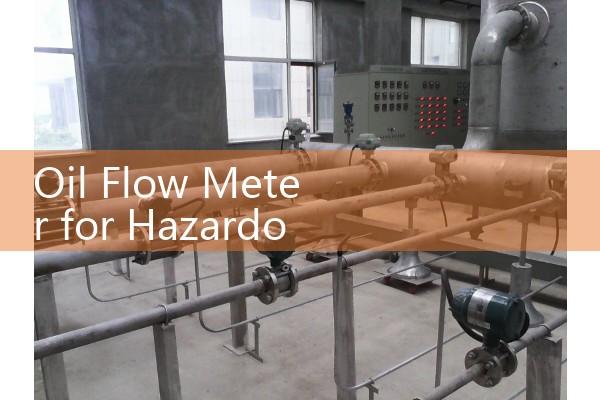
Static electricity builds up when low conductivity fluids like diesel or naphtha flow through a meter. Even a small plastic sight glass can generate enough charge to cause a problem. In a Class 1 Div 1 area flammable gases or vapors are present continuously. A spark from an ungrounded flow meter body can ignite the atmosphere. We have seen this on customer sites many times, especially in refineries in Indonesia and Peru.
The solution is simple. Bond the meter body, flanges, and any conductive parts to earth. Use a dedicated grounding wire, not the instrument loop shield. For oval gear meters with internal rotating parts you need a grounding ring or a carbon brush to discharge the rotor. Otherwise the rotor floats and stores charge.
Class 1 Div 1 Grounding Requirements per NEC and IEC
A Class 1 Div 1 location requires explosion-proof equipment or intrinsic safety. For flow meter grounding NEC Article 501.30 requires bonding of exposed non-current-carrying metal parts. The ground resistance must be less than 1 ohm, verified with a clamp-on ground tester. Most engineers skip this part during commissioning then wonder why the meter signal is noisy or sparks are visible in humid conditions.
Silver Instruments offers oval gear and Coriolis meters with FM or CSA certified enclosures. Our PD oil flow meter series includes a dedicated external grounding terminal. The terminal is an M6 stud near the terminal compartment. Use a 6 mm square stranded copper wire no longer than 2 meters to connect to the plant ground bus. In practice many installers run the ground wire inside the same conduit as signal cables. That creates a hazard. Keep the ground wire separate.
Grounding Solutions for Different Oil Meter Types
Most oil transfer applications use positive displacement meters like oval gear or turbine meters. These require special attention because the rotor can accumulate charge. We recommend using meters with built-in grounded rotors. Our OG series oval gear flow meter for diesel and lube oil includes a spring-loaded carbon tip that contacts the shaft. This ensures continuity under all flow conditions. For large lines DN50 to DN100 the grounding kit includes a PT100 temperature sensor bonded to the case for safe heat tracing monitoring.
Coriolis mass flow meters for crude oil custody transfer in hazardous areas are another story. The tubes vibrate but the external case is the primary ground ref
Practical Installation Tips from Field Experience
Here is the thing. Many installations fail because the grounding point collects corrosion. In coastal regions like Vietnam or Chile salt air attacks copper lugs. Use stainless steel hardware and apply conductive anti-corrosion paste. Check the ground bond resistance every 6 months. We supply a maintenance kit with a 25 A bonding test lead and an inspection checklist.
Another common mistake. Some users apply standard cable glands to hazardous areas. If the gland is made of plastic it isolates the cable armor from ground. Always use metallic glands matching the cable armor type. For SIL rated systems ground the shield at the panel only not at the meter. We document this in our installation manual.
Recommended Silver Instruments Oil Flow Meters for Class 1 Div 1
For light oil and diesel loading our OG-DN25 oval gear flow meter with Ex d IIC T4 enclosure is a solid choice. It handles viscosity from 1 to 1000 cP and comes with a pre-installed grounding strap. For crude oil blending in refineries the CMF-DN50 Coriolis meter provides mass flow and density with a CSA Class 1 Div 1 approved transmitter. Both units output 4-20 mA HART and can be integrated with a paperless recorder for audit trails.
Send us your fluid type, viscosity in cP, pipe size (DN), flow range, and hazardous area classification. We will propose a meter with a complete grounding schematic. Email: [email protected] Tel: +86-135-1213-1526 Whatsapp: 86-135-12131526 WeChat: +86 13512131526
Frequently Asked Questions
Q: Can I ground the flow meter through the process pipe?
A: No, not in Class 1 Div 1. Pipe flanges often have gaskets that insulate. Always use a dedicated grounding conductor from the meter terminal to the plant grid.
Q: What wire size for grounding an oval gear flow meter in hazardous area?
A: Minimum 4 mm square (12 AWG) copper. Use 6 mm square for longer runs. Keep the length under 3 meters.
Q: Does a Coriolis meter need extra grounding if I use a metal tube?
A: Yes, the sensor requires a direct bond. The metal tube may have coating or cathodic protection that breaks continuity.
Q: How often should I test the ground in a refinery?
A: Every 6 months or after any pipework modification. Use a loop impedance tester.
Q: Can Silver Instruments supply a pre-certified grounding kit?
A: Yes. We ship ready-to-install kits with lugs, bolts, and anti-oxidant paste for our oil flow meters. Specify Class 1 Div 1 when ordering.
 Hot Blog
 Related AD